Linux Distros
-

Alpine Linux for Containers: Why It’s the Go-To Base Image
Pull almost any popular Docker image and check its size, and there’s a good chance an Alpine-based variant is available at a fraction of the size of its…
-

NixOS Explained: Declarative Linux Configuration for Reproducible Servers
Most Linux distributions accumulate configuration through years of manual commands, edited files, and installed packages — a history nobody fully reme…
-

Immutable Linux Distros Explained: Should You Run One on Your Server?
Traditional Linux servers let you modify the underlying system files freely, which is exactly what causes “configuration drift” over years of manual twe…
-

Rolling Release vs Fixed Release Linux: Which Is Better for a Server?
The choice affects everything from how often you touch the machine to how quickly new features and security patches actually reach you.
-

Understanding systemd: What Every Linux Server Admin Should Know
If you’ve managed a Linux server in the last decade, you’ve interacted with systemd whether you realized it or not.
-
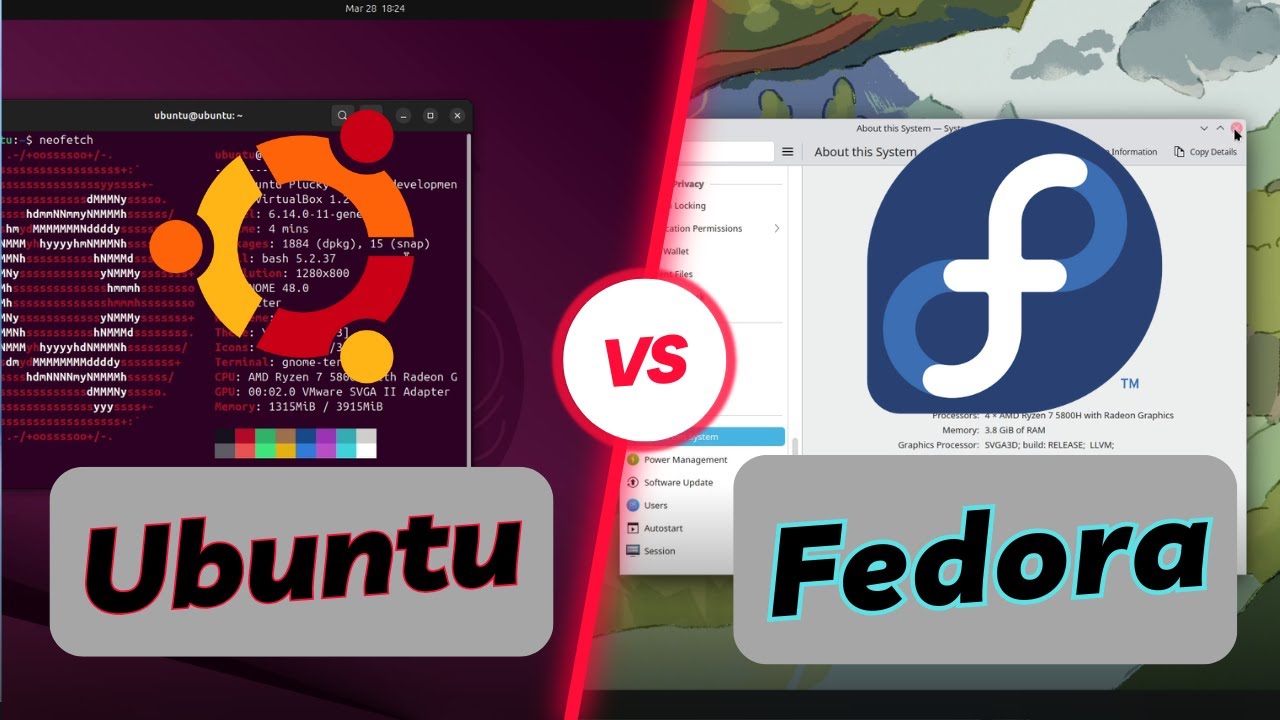
Fedora Server vs Ubuntu Server: Which Is Better for Self-Hosting?
Choosing between Fedora Server vs Ubuntu Server is a common crossroads for anyone setting up a new self-hosted environment. Both are solid, well-supported…
-

Best Lightweight Linux Distros for Old Laptops in 2026
If your laptop is struggling to run Windows smoothly, switching to one of the best lightweight Linux distros for old laptops can breathe new life into a…