Hardware & Homelab
-

Jellyfin vs Plex vs Emby: Choosing a Media Server Platform
Understanding Jellyfin vs Plex vs Emby helps you choose deliberately rather than defaulting to whichever name happens to come up most often in a given g…
-

How to Self-Host an RSS Reader with FreshRSS
Keeping up with security advisories, distro release notes, and homelab community updates across dozens of individual sites gets unmanageable fast withou…
-

Refurbished Enterprise Gear vs New Consumer Hardware for Your Home Lab
Homelab forums are full of enthusiastic recommendations for decommissioned enterprise switches, servers, and storage arrays available at steep discounts…
-

How to Self-Host Workflow Automation with n8n
Throughout this series, individual tools have handled their own specific automation — Watchtower updating containers, cron and systemd timers running …
-
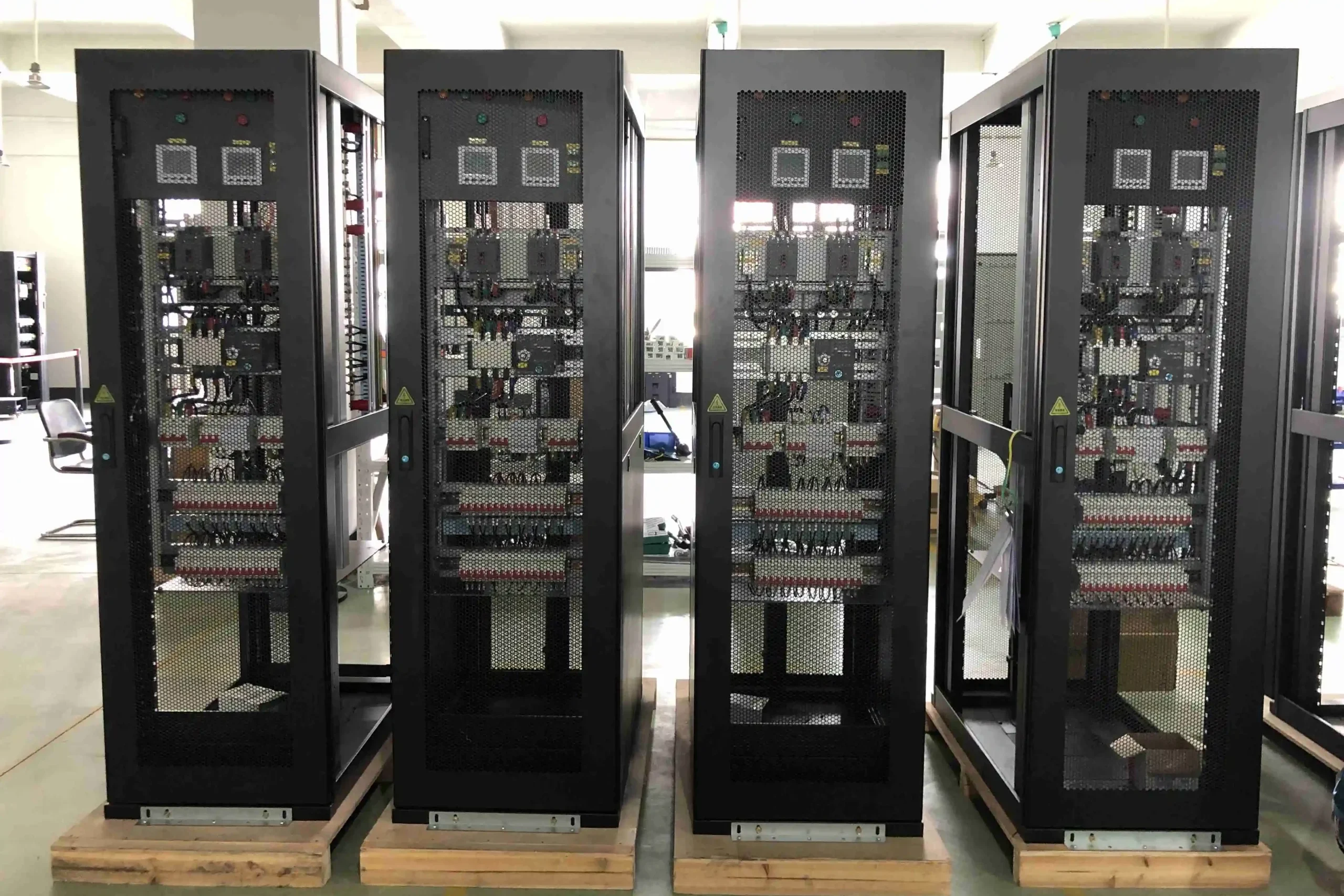
Rackmount vs Tower Case: Choosing Your Home Lab’s Physical Build
Choosing between rackmount vs tower builds for your home lab affects everything from cable management to how easily you can add the next piece of hardware.
-

How to Use IPMI for Remote Home Lab Server Management
IPMI remote management solves exactly this, giving you full remote control over a server regardless of whether its operating system is even running.
-

How to Self-Host Your Photo Library with Immich
Immich offers a genuinely capable self-hosted alternative, replicating much of what makes cloud photo services convenient while keeping your actual phot…
-

How to Repurpose an Old Gaming PC as a Home Server
That gaming PC gathering dust after your last upgrade is sitting on considerably more raw compute power than most dedicated homelab hardware guides assu…
-

ECC vs Non-ECC RAM: What Your Home Lab Server Actually Needs
Browsing homelab forums eventually surfaces strong opinions about ECC memory, often presented as an absolute requirement for anyone running ZFS or “seri…
-

How to Set Up a Guest Wi-Fi Network Isolated from Your Home Lab
Setting up an isolated guest Wi-Fi network solves this cleanly, giving visitors internet access with zero visibility into anything you’re actually running.