Building a homelab doesn’t require a noisy rack server anymore. Today, the best mini PCs for a home lab offer surprising power, low energy consumption, and a small enough footprint to sit quietly on a shelf — making them the go-to choice for self-hosters who want performance without the electricity bill or fan noise of traditional servers.
Why Mini PCs Work So Well for Homelabs
Mini PCs strike a balance that older enterprise hardware can’t match for home use: modern CPUs with good single- and multi-core performance, support for NVMe storage, and idle power draw often under 10–15 watts. For a homelab that runs 24/7, that efficiency adds up to real savings over a year compared to a repurposed tower workstation or rackmount server.
What to Look for When Choosing One
- RAM ceiling – look for support of at least 32GB if you plan to run Proxmox with multiple VMs
- Dual NICs or expansion options – useful for setting up pfSense/OPNsense routing or network segmentation
- NVMe + SATA support – gives flexibility for fast VM storage plus bulk storage for media or backups
- CPU generation – newer Intel N-series or AMD Ryzen embedded chips offer excellent performance-per-watt for virtualization workloads
Top Mini PC Picks for Homelab Use
1. Beelink/Minisforum Ryzen-based Mini PCs These budget-friendly mini PCs often pack surprisingly capable AMD Ryzen embedded processors with support for up to 64GB RAM and dual NVMe slots, making them excellent all-around Proxmox hosts for running several VMs and containers simultaneously.
2. Intel NUC-style Mini PCs Known for compact size and reliable build quality, Intel NUC-style machines remain a favorite for homelab users wanting a small footprint with solid single-thread performance, ideal for lighter workloads like Pi-hole, Home Assistant, or a small Kubernetes node.
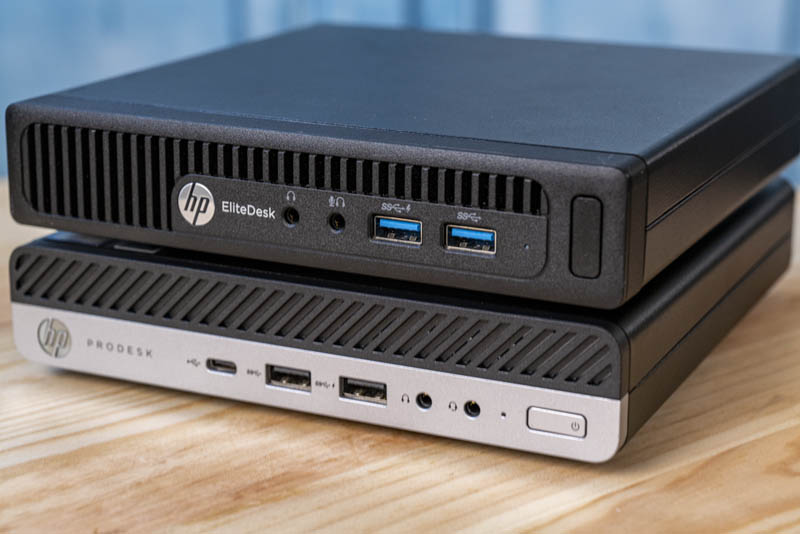
3. Dell OptiPlex Micro / HP EliteDesk Mini Refurbished business-class micro desktops are widely available secondhand at low prices, offering a great entry point for anyone testing the homelab waters without committing to new hardware costs.
4. Mini PCs with 2.5GbE Networking For homelabs focused on fast NAS access or heavier file transfer workloads, mini PCs with built-in 2.5 Gigabit Ethernet ports are worth the small price premium over standard Gigabit models.
Common Homelab Uses for Mini PCs
- Running Proxmox VE to host multiple VMs and LXC containers
- Hosting Pi-hole or AdGuard Home for network-wide ad blocking
- Small Kubernetes clusters using K3s across two or three mini PCs
- Media servers like Plex or Jellyfin
- Network-attached storage via TrueNAS in a virtual machine
Final Thoughts
Choosing from the best mini PCs for a home lab comes down to balancing budget, RAM ceiling, and networking needs against your planned workloads. For most homelabbers, a Ryzen-based mini PC with 32–64GB RAM and dual NVMe slots hits the sweet spot between price, power efficiency, and enough headroom to grow your setup over time.
Leave a Reply